Festival Name & Meaning
Janai Purnima, often called the Sacred Thread Festival, is one of Nepal’s most celebrated Hindu festivals. The term “Janai” refers to a sacred thread worn across the chest by Hindu men of Brahmin and Chhetri communities, while “Purnima” means the full moon. Together, Janai Purnima represents the full moon day when men renew their spiritual vows and change their sacred threads after purification rituals.
This festival is more than a religious custom—it’s a deep cultural tradition that connects generations. Families gather, priests chant sacred mantras, and rituals are performed at rivers, temples, and sacred lakes. In rural villages, Janai Purnima also serves as a social gathering where relatives meet after months apart, strengthening community ties.
The day carries symbolic meaning—washing away sins, strengthening moral commitments, and receiving blessings for protection. For some, it’s also a time to start afresh with good intentions for the coming year. In the Himalayan regions, the celebration blends beautifully with nature, as devotees trek to sacred lakes like Gosainkunda. For travelers, Janai Purnima offers an incredible opportunity to witness Nepal’s vibrant traditions while enjoying its breathtaking landscapes, making it a perfect blend of spirituality and adventure.
Meaning of Janai – A Sacred Thread
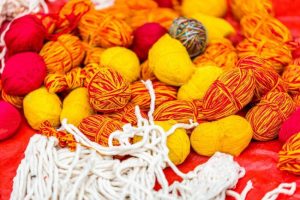
The Janai is a sacred cotton thread worn diagonally from the left shoulder to the right waist by Hindu men of Brahmin and Chhetri castes. It is introduced during the Bratabandha ceremony—a Hindu rite of passage marking the transition from childhood to spiritual responsibility. Once received, the Janai must be worn daily and renewed annually on Janai Purnima.
Symbolically, the Janai represents purity, self-control, and commitment to a righteous life. It is made of three intertwined threads, each representing important Hindu deities—Brahma (creation), Vishnu (protection), and Shiva (destruction). For the wearer, it’s a constant reminder to live according to dharma (moral duty).
The renewal of the Janai on Janai Purnima is not just about changing the thread—it’s about spiritual renewal. Men perform a ritual bath, cleanse their body and mind, and recite mantras that commit them to honesty, discipline, and respect for others.
For outsiders, the Janai might seem like a simple piece of cloth, but in Nepalese Hindu culture, it carries deep meaning, linking the individual to ancient traditions and divine protection. This sacred thread is both a spiritual shield and a visible sign of faith.
Date & Timing
Janai Purnima is celebrated on the full moon day (Purnima) of the Hindu month of Shrawan, which usually falls in July or August according to the Gregorian calendar. The timing is considered highly auspicious because the full moon is believed to radiate spiritual energy and divine blessings.
According to the lunar calendar, the exact date shifts every year, so devotees consult the Nepali Patro (traditional calendar) or seek guidance from priests to observe it at the right moment. Rituals often begin early in the morning, just before sunrise, when pilgrims and locals head to nearby rivers, ponds, or lakes to perform purification baths.
For trekkers and travelers, the timing of Janai Purnima is significant because it often coincides with the monsoon season’s end in the high Himalayas, offering clear skies and lush green landscapes. This makes it an excellent period for combining cultural experiences with nature-based adventures.
The date is also linked with other regional and community celebrations, such as Kwati Purnima among Newars. No matter where you are in Nepal during this time, you will see vibrant gatherings, hear the sound of temple bells, and witness the spiritual devotion that marks this sacred day.
Religious Significance
The religious significance of Janai Purnima lies in its themes of renewal, protection, and devotion. For Hindu men, the act of changing the Janai is a symbolic purification—a shedding of past mistakes and a fresh commitment to moral living. The sacred thread serves as a reminder of one’s duty toward God, family, and society.
Hindu scriptures state that wearing the Janai binds the wearer to the teachings of the Vedas, the oldest and most sacred texts of Hinduism. On this day, Brahmin priests recite Vedic mantras, perform homa (fire offerings), and tie protective threads on devotees’ wrists.
Janai Purnima is also associated with the legend of Lord Vishnu and the demon king Bali. In this myth, Vishnu ties a protective thread on Bali’s wrist, symbolizing the promise of protection—a tradition carried forward in the form of Rakshya Bandhan.
For pilgrims traveling to holy sites like Gosainkunda, Janai Purnima is believed to be the most spiritually rewarding day of the year to bathe in its icy waters. Such acts are thought to wash away sins and bring inner peace. In short, this festival is a blend of ritual devotion, moral commitment, and the reaffirmation of faith.
Rakshya Bandhan Tradition
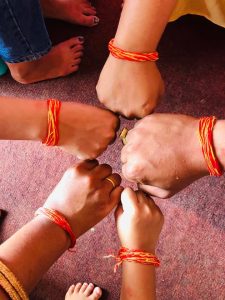
One of the most beautiful aspects of Janai Purnima is the Rakshya Bandhan ritual. On this day, Brahmin priests tie a colored thread, known as rakshya sutra, around the right wrist of men, women, and children. This sacred thread is believed to protect the wearer from negative energies, accidents, and illnesses for the year ahead.
The ritual involves chanting mantras to invoke blessings from the gods, after which the thread is tied with care. The wearer keeps the rakshya sutra on until Laxmi Puja (during Tihar festival), when it is removed and placed in a sacred river.
This tradition also carries symbolic meaning for relationships. In many parts of India and Nepal, the similar Rakhi custom is observed between brothers and sisters, but in Nepal, the focus is on universal protection rather than just sibling bonds.
For travelers, seeing locals proudly wearing the colorful thread offers a glimpse into how faith is woven into daily life in Nepal. Whether in rural villages or urban temples, Rakshya Bandhan connects people through shared belief in protection, blessings, and divine care.
Holy Bathing Rituals
A central ritual of Janai Purnima is the holy bath, where devotees immerse themselves in sacred rivers, ponds, or lakes before changing their Janai. The belief is that water, especially on this auspicious day, has the power to cleanse not only the body but also the soul.
In Kathmandu Valley, popular bathing sites include Bagmati River at Pashupatinath Temple and Kumbheshwar Pond in Lalitpur. In the hills and mountains, pilgrims seek out natural springs and lakes for their ritual cleansing.
Bathing is usually done at dawn, followed by prayers and offerings. Men change their sacred thread while women and children receive the rakshya sutra.
In high-altitude regions, the holy bath becomes a true test of devotion. At Gosainkunda Lake, located at 4,380 meters, pilgrims endure freezing waters to complete the ritual, believing that enduring the cold purifies their spirit even more.
This act of bathing is deeply tied to the Nepalese cultural respect for nature. Rivers and lakes are considered divine, and the ritual reinforces the connection between the spiritual and natural worlds.
Gosainkunda Pilgrimage
The Gosainkunda pilgrimage is one of the most iconic aspects of Janai Purnima. Located in Langtang National Park at 4,380 meters, Gosainkunda is a glacial lake surrounded by snow-capped peaks and dramatic landscapes. According to legend, Lord Shiva created the lake by striking the ground with his trident to obtain water to cool his poisoned throat.
On Janai Purnima, thousands of pilgrims—many from remote areas—undertake the challenging trek to Gosainkunda. Some start from Dhunche, while others take longer routes through Helambu or Langtang. The journey is both physically demanding and spiritually uplifting.
At the lake, pilgrims bathe in the icy waters, offer prayers, and spend the night in makeshift shelters. The atmosphere is a mix of chanting, incense, and devotion, with Buddhist and Hindu influences blending harmoniously.
For trekkers, joining this pilgrimage offers a unique chance to experience Nepal’s spiritual side while enjoying one of the country’s most scenic high-altitude treks. The sense of community, shared purpose, and breathtaking environment make it an unforgettable journey.
Connection to Trekking & Tourism
Janai Purnima is not only a religious festival but also a significant event for cultural tourism in Nepal. Trekkers from around the world time their trips to coincide with the Gosainkunda pilgrimage, combining physical adventure with deep cultural immersion.
The trekking routes leading to Gosainkunda pass through rhododendron forests, alpine meadows, and rugged mountain terrain. Along the way, trekkers interact with pilgrims, share tea in mountain lodges, and witness traditional rituals in remote villages.
For trekking companies like Massive Adventure Trek, Janai Purnima is an excellent opportunity to offer specialized cultural trekking packages. These can include guided participation in rituals, photography tours, and storytelling sessions about the myths linked to the festival.
The festival also benefits local economies, as villagers provide food, lodging, and porter services to both pilgrims and tourists. This seasonal boost helps sustain remote communities in the off-peak months.
Ultimately, Janai Purnima bridges the gap between culture and adventure, making it one of Nepal’s most unique travel experiences.
Newars’ Kwati Purnima
Among the Newar community of the Kathmandu Valley, Janai Purnima is also celebrated as Kwati Purnima. The highlight of this version of the festival is the preparation and sharing of Kwati, a hearty soup made from nine varieties of sprouted beans.
Kwati is not only delicious but also highly nutritious, believed to boost immunity and energy during the monsoon season. Families prepare it the night before, letting the beans soak and sprout before cooking them with spices.
The Newar tradition combines the sacred aspects of Janai Purnima with a celebration of seasonal abundance. In Newar neighborhoods, you’ll see women preparing large pots of Kwati, while men and children take part in local rituals and feasts.
Visitors lucky enough to be in Kathmandu during Kwati Purnima can savor this unique dish at local eateries or even in homestays, gaining insight into the rich culinary traditions of Nepal.
Festive Atmosphere
Janai Purnima transforms Nepal into a hub of devotion and celebration. Temples overflow with devotees, markets sell colorful threads and ritual items, and the air fills with the sound of bells and chanting.
In urban centers like Kathmandu and Lalitpur, rituals are accompanied by cultural performances and fairs. In rural areas, the day feels more intimate—families gather, share meals, and perform rituals at local water sources.
For pilgrims trekking to Gosainkunda, the atmosphere is even more magical. The journey is filled with shared laughter, songs, and stories, despite the physical challenges of the trek. At night, the sight of the moon reflected on the sacred lake creates a serene, almost mystical scene.
For travelers, this atmosphere is a rare chance to be part of something that is both deeply personal for locals and universally inspiring.
Cultural Experience for Visitors
For visitors, Janai Purnima offers an unparalleled cultural experience. You can witness ancient Vedic rituals, taste traditional foods like Kwati, and join treks that blend physical challenge with spiritual significance.
Whether in the bustling streets of Kathmandu or the serene heights of Gosainkunda, the festival offers countless photo opportunities and meaningful encounters with locals.
Tourists can participate respectfully by observing rituals, receiving the rakshya sutra, and learning the stories behind the customs. Trekking to pilgrimage sites during Janai Purnima also allows for deeper engagement with Nepal’s traditions, as you share paths and lodgings with pilgrims.
This is more than sightseeing—it’s an immersion into the living culture of Nepal. You leave not only with memories of beautiful landscapes but also with a deeper understanding of the country’s spiritual heart.